
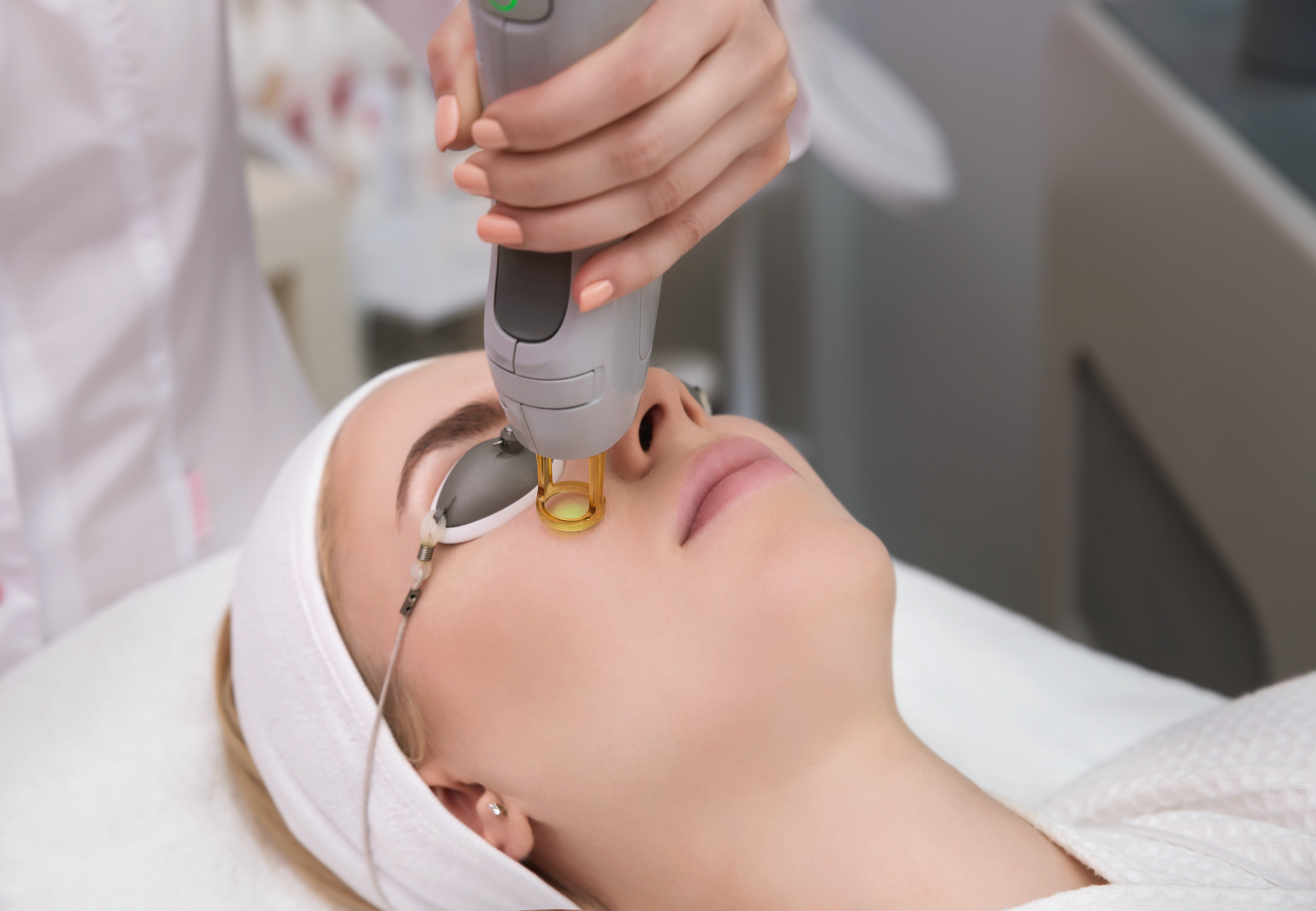
In the world of modern skincare, people are increasingly looking for effective ways to improve the appearance and texture of their skin without relying solely on traditional creams and home treatments. One option that has gained considerable attention is Laser Skin Resurfacing. This cosmetic procedure uses controlled laser energy to address a variety of visible skin concerns, helping create a smoother, more refreshed, and more youthful-looking appearance.
As skincare technology continues to advance, Laser Skin Resurfacing has become a popular choice for individuals who want to enhance their complexion while targeting specific imperfections. From fine lines and uneven texture to acne scars and sun-related changes, the treatment can be customized according to individual needs. However, understanding how the procedure works, what it can address, and what to expect is important before considering treatment.
What Is Laser Skin Resurfacing?
Laser Skin Resurfacing is a cosmetic procedure that uses laser energy to improve the appearance of the skin. Depending on the technology used, the laser may remove damaged outer layers of skin or heat deeper layers to encourage the body’s natural healing and collagen-production processes.
Collagen is an important structural protein that helps support firm, smooth-looking skin. As people age, natural collagen production gradually decreases, which can contribute to fine lines, wrinkles, and changes in skin texture. By stimulating collagen production, certain laser treatments may help the skin appear firmer and more refined over time.
There are different types of laser resurfacing treatments available. Some are more intensive and may require longer recovery periods, while others are designed to provide more gradual results with less downtime. A qualified skincare professional can evaluate the skin and recommend an approach based on individual concerns, skin type, and desired outcomes.
Why Are More People Choosing Laser Treatments?
One of the main reasons Laser Skin Resurfacing is becoming increasingly popular is its ability to address multiple cosmetic concerns with a single treatment approach. Many people experience more than one skin issue at the same time. For example, someone may have fine lines combined with uneven pigmentation and rough texture.
Rather than focusing on one concern at a time, laser treatments can often target several visible signs of skin damage. This makes the procedure appealing to people who want a comprehensive approach to improving their complexion.
Another factor contributing to its popularity is the continued development of laser technology. Modern systems offer professionals greater control over treatment intensity and depth. Depending on the device and technique, treatments can be adjusted to suit different needs and recovery preferences.
Improving the Appearance of Fine Lines and Wrinkles
Fine lines and wrinkles are among the most common concerns associated with aging skin. While they are a natural part of getting older, many people prefer to reduce their visible appearance.
Laser Skin Resurfacing may help improve the look of fine lines by encouraging skin renewal and collagen production. As the skin heals, the treated area may gradually develop a smoother and more refined appearance.
The results are not necessarily immediate. Some people notice improvements after their skin has recovered, while collagen-related changes may continue to develop over the following weeks or months. The extent of improvement depends on factors such as the type of laser used, the condition of the skin, age, lifestyle, and the number of treatments performed.
Addressing Uneven Skin Texture
Uneven skin texture can make the complexion appear dull or rough. Environmental exposure, aging, acne, and other factors can all contribute to changes in the skin’s surface.
Laser treatments are often considered by individuals who want to improve the overall smoothness of their skin. By removing damaged surface cells or stimulating deeper skin renewal, Laser Skin Resurfacing may help create a more even-looking texture.
The treatment can be especially appealing to those who have tried topical skincare products but feel that they have not achieved the desired results. While skincare products remain an important part of maintaining healthy skin, professional treatments can offer a different approach to addressing certain cosmetic concerns.
Helping Reduce the Appearance of Acne Scars
Acne can leave behind scars and uneven areas that remain visible long after breakouts have disappeared. These marks can affect the overall texture and appearance of the skin.
Depending on the type and severity of scarring, Laser Skin Resurfacing may be used as part of a broader cosmetic treatment plan. Certain laser technologies can help stimulate collagen remodeling, potentially making some acne scars appear less noticeable over time.
However, not every type of acne scar responds in the same way. A professional assessment is important to determine whether laser treatment is appropriate and which approach may provide the most suitable results.
Addressing Sun Damage and Uneven Pigmentation
Long-term exposure to ultraviolet radiation can contribute to visible signs of skin aging, including uneven pigmentation, sun spots, and changes in texture. For people concerned about these issues, laser treatments may provide an option for improving the appearance of sun-damaged skin.
Laser Skin Resurfacing can sometimes be incorporated into a comprehensive skincare strategy designed to improve the overall appearance of the complexion. However, protecting the skin from further sun exposure remains essential. Daily sunscreen use and other sun-protection habits can help support long-term skin health and protect the results of cosmetic treatments.
Treatment Can Be Customized
Another reason Laser Skin Resurfacing attracts attention is the possibility of personalized treatment. Skin concerns vary significantly from one person to another, so a one-size-fits-all approach may not be appropriate.
A skincare professional may consider factors such as skin type, pigmentation, age, existing skin conditions, treatment goals, and recovery expectations before recommending a specific laser procedure. Some people may benefit from a more intensive treatment, while others may be better suited to a gentler approach.
Customization can also involve selecting the appropriate treatment area and adjusting the intensity of the laser energy. A professional consultation allows patients to discuss realistic expectations and understand potential risks and benefits.
What Should You Expect During Recovery?
Recovery depends heavily on the type of laser treatment performed. More intensive procedures may cause redness, swelling, peeling, or sensitivity as the skin heals. Less aggressive treatments may involve minimal downtime, although temporary redness or irritation can still occur.
Following aftercare instructions is an important part of the recovery process. Patients may be advised to keep the treated skin clean, avoid unnecessary sun exposure, and use recommended skincare products. It is also important not to pick or scratch peeling skin, as doing so may interfere with healing.
Because every person’s skin responds differently, recovery times can vary. Anyone considering treatment should discuss the expected downtime and aftercare requirements with a qualified professional beforehand.
Choosing a Qualified Professional
Although Laser Skin Resurfacing can offer cosmetic benefits, it is still a medical or cosmetic procedure that should be performed by a properly trained and experienced professional. Choosing an appropriate provider is one of the most important steps in the process.
Before treatment, individuals should ask about the professional’s qualifications, experience with the specific laser technology, expected results, possible side effects, and aftercare instructions. A thorough consultation should also include a discussion of medical history, current skincare products, medications, and any factors that could affect treatment.
The Importance of Realistic Expectations
Laser Skin Resurfacing can improve the appearance of many common skin concerns, but it is not a guarantee of perfect or permanently flawless skin. Results vary from person to person, and multiple sessions may sometimes be recommended depending on the condition being treated.
Maintaining realistic expectations can help individuals make informed decisions. The goal is generally to enhance the appearance and quality of the skin rather than completely eliminate every imperfection.
Healthy lifestyle habits can also support the appearance of treated skin. Adequate sun protection, gentle skincare, balanced nutrition, and appropriate hydration can all contribute to maintaining a healthy-looking complexion.
Conclusion
The growing popularity of Laser Skin Resurfacing reflects the increasing demand for professional skincare solutions that can address multiple visible concerns. By targeting issues such as uneven texture, fine lines, acne scars, and certain forms of sun damage, laser treatments may help individuals achieve a smoother and more refreshed-looking complexion.
Advances in technology have also made it possible to tailor treatments to different skin concerns and recovery preferences. Nevertheless, the procedure is not suitable for everyone, and the best results begin with a professional evaluation and realistic expectations.
For anyone considering Laser Skin Resurfacing, learning about the available treatment options, potential benefits, recovery requirements, and possible risks is an important first step. With the right approach and professional guidance, laser resurfacing can be a valuable part of a personalized skincare plan focused on achieving healthier and smoother-looking skin.