
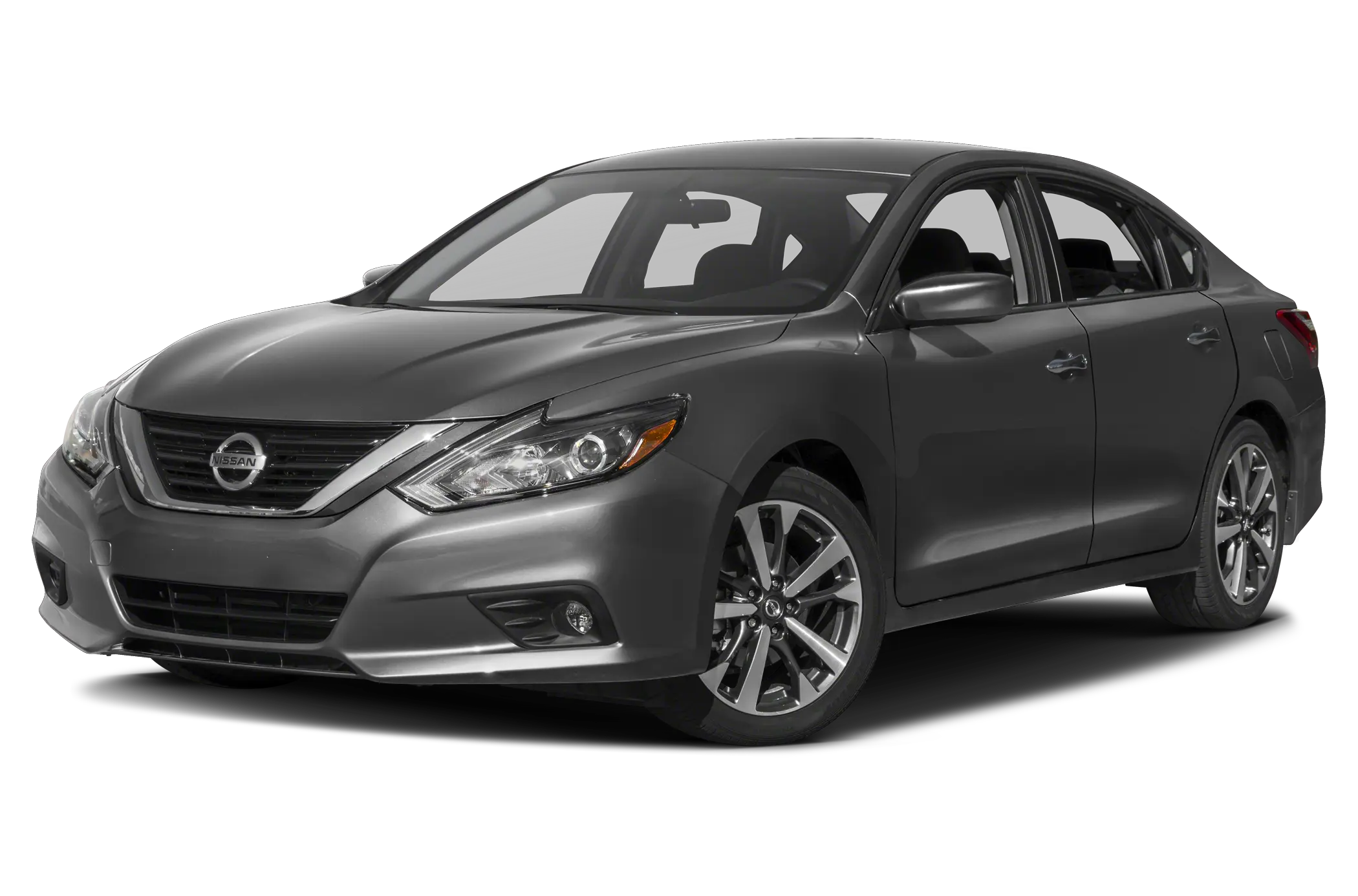
Choosing a dependable sedan means weighing comfort, efficiency, and value. The 2017 Nissan Altima fits the bill for many buyers who want a roomy, easy-to-drive car without paying a premium. With a calm ride, straightforward controls, and a reputation for solid reliability, the 2017 Altima continues to appear on lists of practical used-car picks. This post explores what makes the Altima a sensible choice for daily commuting, family errands, and weekend getaways, and what you should inspect before purchasing a used model. Whether you’re new to Nissan or returning after a break, understanding the highlights and potential caveats helps you decide if this midsize sedan aligns with your budget and lifestyle.
Design and Comfort
Inside, the Altima emphasizes space and simplicity. Front seats offer ample legroom, and the rear seat is surprisingly accommodating for adults on longer trips. The cabin design prioritizes easy-to-find controls, climate comfort, and a straightforward infotainment setup. Materials quality is durable for daily use, which suits families and commuters who value practicality over luxury. The trunk is roomy for a midsize sedan, making it a versatile option for groceries, gear, and weekend luggage. With fewer flashy touches, the Altima focuses on comfortable, predictable ergonomics that help drivers stay relaxed during long drives.
Performance and Efficiency
Under the hood, most 2017 Altimas used a 2.5-liter four-cylinder engine paired with a continuously variable transmission (CVT). This setup emphasizes fuel efficiency and smooth highway cruising more than sporty acceleration. For shoppers who want a bit more power, some markets offered a 3.5-liter V6 in higher trims, delivering brisk acceleration and confident passing on interstates. Real-world fuel economy typically lands in the mid-20s to low-30s mpg range, depending on drivetrain and driving style. The ride quality remains composed over rough pavement, and steering provides a predictable, reassuring feel that helps with daily commuting and highway merging.
Technology, Safety, and Value
Technology in the 2017 Altima focused on value and usability. Standard features often included a rearview camera, Bluetooth connectivity, and a basic audio system. Optional packages added a larger touchscreen, improved audio, and enhanced connectivity. In terms of safety, automatic emergency braking and other advanced driver assists were not universal across trims in every market, so buyers should verify feature availability on the specific car they consider. Maintenance tends to be straightforward, with Nissan’s parts network generally offering affordable replacement components. If you plan to keep the car for several years, creating a simple service schedule can help preserve performance and resale value.
Buying Tips for 2017 Altima Shoppers
When shopping for a used Altima, check for typical wear on the seat fabric, aging rubber seals, and CVT-related hesitation or shudder in some early models. Look for full maintenance logs, confirm that any recalls have been addressed, and take a test drive that includes highway pacing and an easy parking maneuver to gauge visibility and turning radius. Compare pricing against similar midsize sedans from rivals to ensure you are getting fair value. While the 2017 Altima may lack some of the latest tech found in newer vehicles, its blend of practicality, comfort, and reliability remains appealing for many buyers who want a dependable daily driver without paying premium for newer features.
For more automotive guides and reviews, visit the Lifefie homepage.
Readers curious for a deeper dive can explore more detailed profiles like this on the Lifefie platform by following the earlier linked article about the 2017 Nissan Altima we highlighted above.