
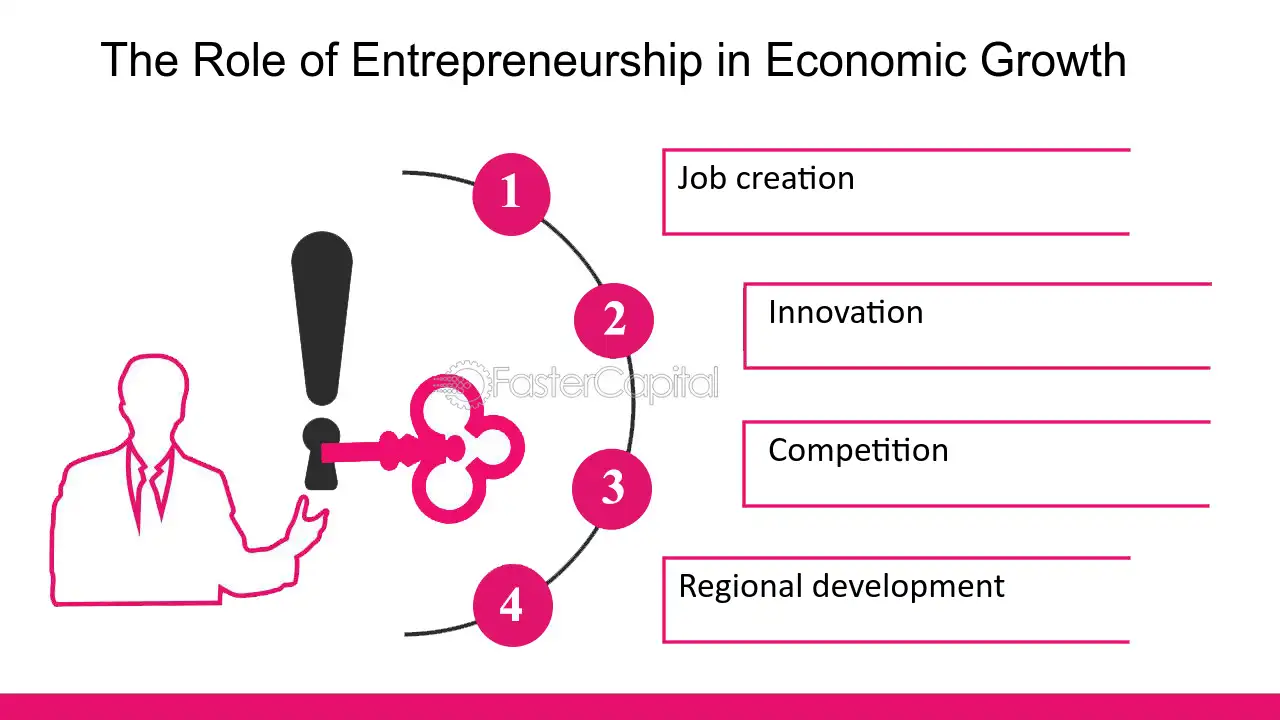
Entrepreneurs are often described as the engines of economic growth. They identify unmet needs, assemble resources, and bring new products and services to market. But their impact runs deeper than just launching a startup. In economics, entrepreneurs help reallocate resources, spark innovation, and shift the structure of industries over time.
From a theoretical standpoint, the entrepreneur is central to ideas of dynamic efficiency and Schumpeterian competition. Rather than merely supplying goods at a given price, they disrupt routines and reconfigure the balance between supply and demand. This creative destruction pushes incumbent firms to upgrade processes, adopt new technologies, or pivot, which in turn raises productivity across the economy.
In practical terms, entrepreneurs influence macroeconomic outcomes through job creation, investment, and risk-bearing. Startups and small ventures often hire early-stage workers, offer flexible career paths, and test new business models that larger firms may later imitate. Even when a venture fails, the knowledge gained circulates in the economy—founders, employees, and investors carry skills and information into the next venture, improving the overall knowledge stock of the market.
Entrepreneurs also shape price signals and market complexity. By spotting gaps—whether in consumer attention, distribution channels, or regulatory constraints—they alter the way products are priced, funded, and consumed. This experimentation helps markets discover more efficient ways to coordinate production and consumption, lowering frictions and sometimes lowering costs for consumers. The net effect can be a more responsive economy that adapts to changing tastes, technology, and global conditions.
Importantly, the role of entrepreneurs varies across economies. In advanced countries with strong institutions, entrepreneurs often scale quickly, attracting venture capital, and integrating into global value chains. In emerging economies, entrepreneurship may emphasize informal sectors, microenterprises, and local problem solving that reduces poverty and expands access to essential services. In all cases, policy environments—property rights, ease of doing business, education systems, and access to financing—either empower or constrain entrepreneurial activity.
Policy-makers seeking sustainable growth often emphasize a supportive ecosystem: robust financial markets, clear regulatory frameworks, and an educated workforce prepared to start new ventures. When policies lower the cost of experimentation and crowd in capital for high-potential ideas, entrepreneurship becomes a spillover engine for productivity gains across industries. Conversely, heavy red tape or uncertain rules can dampen risk-taking and slow the pace of innovation.
For individuals exploring careers in economics, entrepreneurship can be a practical lens on market dynamics. It highlights how incentives, information flows, and competitive pressures translate into real economic outcomes. If you want to read more about the specific question of the keyword, you can explore here: what role do entrepreneurs play in economics?. And to learn more about the broader site, visit the home page for additional resources and related articles.
Ultimately, the question of what role entrepreneurs play in economics? is not just philosophical. It has practical implications for education, policy design, and business strategy. Encouraging experimentation, protecting intellectual property, and supporting pathways from idea to scaled impact helps the economy harness creative energy while maintaining social stability. In this sense, entrepreneurship is a bridge between individual initiative and collective well-being, reinforcing the idea that economic progress is a collaborative, dynamic process rather than a static equilibrium.
 Admin
Admin