
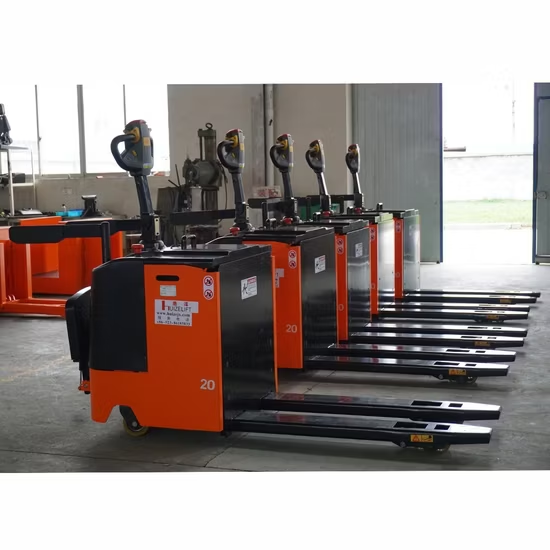
Maintaining a pump truck is essential for uptime, safety, and return on investment. Whether you operate a concrete pump, a water-transfer rig, or a fluid-handling truck, a disciplined maintenance routine minimizes breakdowns and extends service life. Establishing a simple, repeatable procedure helps crews catch wear before it becomes a failure. This guide focuses on practical steps to keep your fleet performing at peak condition and avoiding costly downtime in busy job sites.
For more details, see pump truck maintenance 101 keeping your equipment in peak condition/.
Daily maintenance checklist
- Inspect for visible leaks around the pump, hoses, and hydraulic lines; address any drips promptly.
- Check tires, wheels, and chassis for wear and proper inflation to prevent flats or misalignment.
- Verify engine oil, coolant, and hydraulic fluid levels; top up as needed and note any sudden changes.
- Inspect belts and hoses for cracks or wear; replace worn components to prevent unexpected failures.
- Clean the hopper, intake, and exterior surfaces to minimize buildup that can affect seals and performance.
- Test safety interlocks, alarms, lights, and emergency shutoffs before the shift starts.
- Document any irregularities and plan a quick follow-up check or service as needed.
Weekly and monthly tasks
Grease all lubrication points according to the manufacturer’s schedule and use the recommended grease type. Inspect wear components such as the wear ring and cutting ring in concrete pumps, replacing them when measurements indicate excessive clearance. Examine the discharge and suction lines for cracks, kinks, or bulges, and replace damaged sections to avoid pressure loss and spills. Flush the system with the approved cleaning solution after heavy use to remove concrete residue or sludge that can degrade seals and valves.
Hydraulic system health
A healthy hydraulic system is central to reliable pump performance. Maintain clean hydraulic fluid, monitor pressure ratings, and replace filters on schedule. Keep the cooling circuit unobstructed and ensure radiators or aftercoolers are free of debris to prevent heat buildup. Regularly check for air in the lines and bleed as recommended by the original equipment manufacturer (OEM) to maintain smooth operation.
Documentation and scheduling
Keep a comprehensive maintenance log that records inspections, lubrication, part replacements, and service calls. Digital records help you identify trends, forecast spare parts needs, and align service windows with project timelines. Always follow OEM recommendations and manufacturer intervals to avoid warranty issues and ensure consistent performance across your fleet.
Seasonal maintenance and storage
Seasonal checks help protect equipment during extreme temperatures and long idle periods. In cold climates, winterize fuel and hydraulic lines as advised, and store components in a dry, sheltered area to prevent corrosion. In hot environments, verify cooling capacity, inspect heat exchangers, and monitor fluid volatility to prevent overheating. A well-planned storage routine reduces start-up time and extends component life when the next project begins.
Safety, training, and workforce readiness
Never skip lockout-tagout procedures and ensure operators are trained on shutoff protocols, pump priming, and safe hose handling. Encourage a culture of reporting unusual noises, vibrations, or pressure changes. A well-trained crew detects problems early, reduces downtime, and improves on-site safety outcomes.
Part selection, service quality, and where to learn more
Choosing the right parts and a reputable service provider can make a big difference in longevity and performance. Prioritize OEM components or approved aftermarket parts, maintain a careful parts inventory, and document vendor performance. For ongoing insights and guidance, visit Postsify.
To explore the broader range of maintenance resources, you may also refer to the main site: Postsify.
 Admin
Admin