
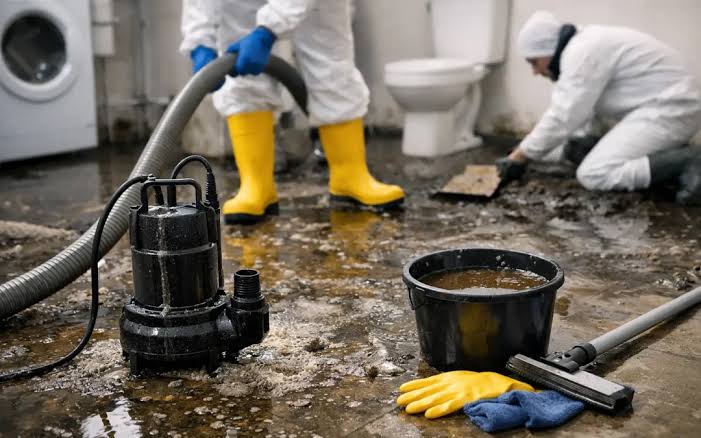
When your basement flooded, taking the right recovery steps quickly can help limit property damage and make the cleanup process more manageable. Floodwater can affect flooring, walls, furniture, electrical systems, stored belongings, and the structural components of a home. Even after visible water disappears, hidden moisture can remain behind walls and under flooring, creating additional problems.
A careful recovery process begins with safety and continues through water removal, drying, cleaning, inspection, and repairs. Understanding what to do at each stage can help homeowners respond more effectively after a basement flooding event.
Prioritize Safety Before Entering the Basement
The first priority after a flood should always be personal safety. Avoid entering a flooded basement if the water may have come into contact with electrical outlets, appliances, wiring, or electrical panels. Standing water can create serious electrical hazards.
If possible, have a qualified professional determine whether electricity can be safely disconnected. Do not touch electrical equipment while standing in water.
Floodwater may also contain sewage, chemicals, bacteria, or other contaminants. Wear appropriate protective equipment when entering an affected area after it has been determined to be safe. Children and pets should stay away from the flooded space until cleanup has been completed.
If the basement flooded because of severe weather, check for additional hazards such as structural damage, broken glass, unstable ceilings, or damaged foundations.
Identify the Source of the Flood
Before beginning extensive cleanup, determine why the basement flooded. Common causes include heavy rainfall, foundation leaks, plumbing failures, sewer backups, sump pump problems, overflowing gutters, and drainage issues.
Finding the source is important because removing water without addressing the underlying problem could result in another flooding event.
For example, if water entered through a foundation crack, that area may require repair and waterproofing. If a sump pump failed, the pump and backup system may need inspection. Plumbing leaks may require professional repair before restoration begins.
Understanding the cause also helps homeowners decide which preventive measures should be considered after the immediate recovery.
Remove Standing Water Promptly
Once the area is safe, removing standing water should be one of the first practical recovery steps. Depending on the amount of water involved, homeowners may use pumps, wet vacuums, or professional water extraction equipment.
Large amounts of water can be difficult to remove with household equipment. Professional restoration teams may use powerful extraction machines designed to remove water efficiently from floors, carpets, and other affected materials.
Fast water removal is important because porous materials can absorb moisture quickly. The longer water remains present, the greater the opportunity for materials to become saturated and deteriorate.
Move Salvageable Belongings to a Dry Area
A flooded basement often contains boxes, furniture, electronics, clothing, tools, documents, and seasonal decorations. Once the area is safe, separate belongings according to their condition.
Items that are clearly contaminated, heavily damaged, or unsafe may need to be discarded. Items that appear salvageable should be moved to a clean, dry location for evaluation and drying.
Avoid unnecessarily spreading contaminated water or debris throughout the house. Use separate areas for affected and unaffected belongings when possible.
Paper products, photographs, upholstered furniture, and other moisture-sensitive materials may require specialized restoration techniques.
Inspect Floors, Walls, and Building Materials
After standing water has been removed, inspect the basement carefully. Water can travel underneath flooring and penetrate drywall, insulation, wood framing, and other materials.
Carpet and padding may retain significant moisture even when the surface appears relatively dry. Wood can absorb water and may swell or warp. Drywall can also deteriorate after prolonged exposure.
A professional inspection can help identify moisture in areas that cannot be evaluated through visual inspection alone. Moisture meters and other specialized equipment can be used to assess affected materials.
Dry the Basement Thoroughly
Removing visible water is only one part of recovery. Complete drying is essential when a basement flooded because hidden moisture can remain in flooring, walls, corners, and other enclosed spaces.
Fans, dehumidifiers, and air movement can help reduce moisture levels. Restoration professionals may use commercial-grade drying equipment to accelerate the process.
Keep the basement ventilated when outdoor conditions allow. However, simply opening windows may not be enough when humidity levels are high. Dehumidification can be particularly useful for controlling indoor moisture.
Continue monitoring affected areas rather than assuming they are dry because surfaces no longer feel wet.
Clean and Sanitize Affected Areas
Flooding can leave behind dirt, sediment, unpleasant odors, and potentially harmful contaminants. Once water has been removed and materials are dry enough for cleaning, affected surfaces should be cleaned appropriately.
Hard, nonporous surfaces can often be cleaned and disinfected using suitable products. Porous materials that have absorbed contaminated water may require removal rather than simple surface cleaning.
If the flooding involved sewage or other contaminated water, professional cleanup is especially important. Specialized procedures may be necessary to reduce exposure risks and properly dispose of contaminated materials.
Check for Mold and Persistent Moisture
Moisture that remains after a basement flooded can contribute to mold growth. Mold may develop in damp materials, particularly when moisture is trapped in dark or poorly ventilated areas.
Watch for musty odors, discoloration, visible growth, or recurring dampness. Check behind furniture and in other areas where air circulation may be limited.
If mold covers a significant area or is present within building materials, professional assessment and remediation may be appropriate. Simply cleaning visible growth without correcting the moisture source may allow the problem to return.
Document Damage for Insurance Purposes
Before throwing away damaged belongings, document the condition of the basement whenever it is safe to do so. Take photographs or videos of damaged floors, walls, furniture, appliances, and personal possessions.
Create a written inventory of damaged items and keep receipts or other relevant records when available. Documentation can help provide a clearer record for an insurance claim.
Homeowners should review their insurance policy and contact their insurer promptly to understand applicable coverage and claim requirements. Keep copies of restoration estimates, invoices, and repair documentation.
Repair the Underlying Problems
Once emergency cleanup is complete, focus on preventing another flood. Repairs may include fixing leaking pipes, sealing foundation cracks, improving drainage, repairing gutters, servicing sump pumps, or addressing grading problems around the property.
A sump pump backup system may provide additional protection in areas where basement flooding is a recurring concern. Proper exterior drainage can also help direct rainwater away from the foundation.
The appropriate solution depends on the original cause of the flooding, so identifying that cause is an important part of long-term recovery.
Restore the Basement Carefully
After the structure has been thoroughly dried, cleaned, and inspected, damaged materials can be repaired or replaced. Flooring, drywall, insulation, trim, cabinetry, and other components should only be restored after moisture levels have returned to acceptable conditions.
Rushing into reconstruction can trap moisture behind new materials. This may create additional damage later and make future repairs more difficult.
A professional restoration contractor can help determine which materials can be restored and which should be replaced.
Create a Flood Preparedness Plan
A basement flooding incident is also an opportunity to improve future preparedness. Keep important belongings elevated from the basement floor and store valuable documents in waterproof containers.
Inspect sump pumps regularly and consider installing an alarm or backup system. Clean gutters and downspouts and make sure they direct water away from the foundation.
It can also be helpful to know where the main water shutoff and electrical controls are located before an emergency occurs.
Final Thoughts
When your basement flooded, effective recovery requires more than simply removing standing water. Safety, water extraction, drying, cleaning, damage documentation, moisture inspection, and repairs all play important roles in restoring the space.
Acting promptly can help reduce the extent of damage and make the restoration process more organized. Most importantly, homeowners should address the source of the flooding and make practical improvements that can reduce the possibility of another incident. A careful recovery process can help return a damaged basement to a clean, dry, and functional part of the home.