
Introduction
For manufacturers, engineers, and businesses supplying pressure-retaining equipment to the Canadian market, CRN Registration is an essential regulatory requirement. Whether you produce pressure vessels, boilers, piping systems, fittings, or other pressure equipment, obtaining CRN Registration ensures your products comply with provincial and territorial safety regulations before they are installed or operated in Canada.
Understanding the registration process can significantly reduce approval delays, improve compliance, and help manufacturers enter the Canadian market more efficiently. This guide explains everything you need to know about CRN Registration, including its purpose, benefits, application process, common challenges, and strategies for achieving faster equipment approval.
What Is CRN Registration?
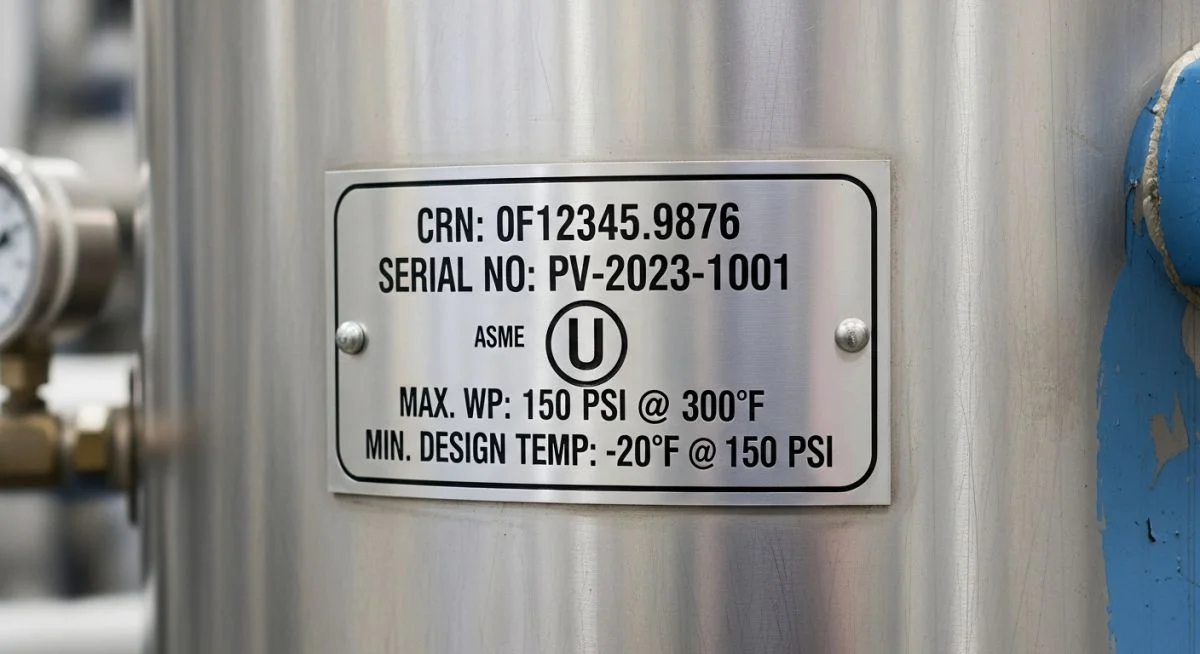
CRN Registration stands for Canadian Registration Number Registration, a regulatory approval process used for pressure-retaining equipment across Canada. It confirms that the equipment design complies with the applicable Canadian codes and standards, particularly the ASME Boiler and Pressure Vessel Code and provincial regulations.
Every province and territory administers its own registration process, although many jurisdictions recognize registrations issued elsewhere under reciprocal agreements. Once approved, the equipment receives a unique CRN that identifies the design as compliant with Canadian safety requirements.
The registration applies to equipment designs rather than individual manufactured units, meaning multiple units can be built using the same registered design.
Why CRN Registration Is Important
Canada places a strong emphasis on public safety for pressure equipment. Equipment operating under pressure can present significant risks if improperly designed or manufactured. CRN Registration helps ensure that only equipment meeting strict engineering and safety standards enters the Canadian marketplace.
Some key reasons why CRN Registration is essential include:
- Demonstrates compliance with Canadian regulations
- Improves equipment safety and reliability
- Allows legal installation across Canadian provinces
- Simplifies regulatory inspections
- Builds customer confidence
- Reduces project delays
- Supports market expansion into Canada
Without proper registration, equipment may be rejected by regulatory authorities, resulting in costly delays and redesigns.
Equipment That Requires CRN Registration
Numerous pressure-retaining products require CRN Registration before being sold or installed in Canada. Common examples include:
- Pressure vessels
- Heat exchangers
- Boilers
- Pressure piping systems
- Pressure fittings
- Expansion tanks
- Air receivers
- Industrial reactors
- Pressure relief components
- Custom-engineered pressure equipment
Each product category must meet the applicable engineering codes before approval can be granted.
Who Needs CRN Registration?
CRN Registration is required by various organizations involved in manufacturing and supplying pressure equipment, including:
- Equipment manufacturers
- Engineering firms
- Fabricators
- Importers
- Industrial equipment suppliers
- EPC contractors
- International manufacturers entering Canada
Even companies located outside Canada must obtain CRN Registration if they intend to sell qualifying pressure equipment within Canadian jurisdictions.
Understanding the Approval Process
The CRN Registration process follows several engineering and regulatory steps. Careful preparation helps reduce approval times and minimizes requests for revisions.
Design Review
The process begins with a detailed engineering review of the equipment design. Regulatory authorities verify that calculations, drawings, materials, and construction methods comply with applicable standards.
Engineers typically evaluate:
- Design pressure
- Design temperature
- Material specifications
- Corrosion allowance
- Weld details
- Stress calculations
- Nozzle reinforcement
- Safety factors
Accurate documentation is essential during this phase.
Engineering Documentation
Applicants must submit comprehensive technical documentation, which may include:
- General arrangement drawings
- Fabrication drawings
- Material specifications
- Engineering calculations
- Welding procedures
- ASME compliance information
- Bill of materials
- Design reports
Complete documentation reduces review time and improves approval efficiency.
Regulatory Submission
Once documentation is complete, the application is submitted to the appropriate provincial or territorial authority.
The authority performs a technical review to verify code compliance before issuing the Canadian Registration Number.
Approval and Issuance
If the design satisfies all requirements, the regulatory authority assigns a CRN. The registered design can then be manufactured and supplied within the approved jurisdictions.
Provinces and Territories Requiring Registration
Each Canadian jurisdiction manages its own pressure equipment regulations. These include:
- Alberta
- British Columbia
- Manitoba
- New Brunswick
- Newfoundland and Labrador
- Nova Scotia
- Ontario
- Prince Edward Island
- Quebec
- Saskatchewan
- Northwest Territories
- Yukon
- Nunavut
Although requirements are generally similar, submission procedures may vary between jurisdictions.
Benefits of Faster CRN Registration
Efficient CRN Registration offers significant advantages for manufacturers and project owners.
Faster Market Access
Obtaining approval quickly allows equipment to reach customers sooner, improving competitiveness in the Canadian marketplace.
Reduced Project Delays
Construction schedules often depend on equipment approval. Early registration helps prevent installation delays and costly schedule disruptions.
Lower Engineering Costs
Well-prepared applications reduce repeated engineering revisions and regulatory comments, saving both time and money.
Improved Customer Confidence
Customers are more likely to purchase equipment that already holds CRN Registration because it simplifies procurement and installation.
Better Regulatory Compliance
Registered equipment demonstrates adherence to recognized Canadian engineering standards, reducing compliance risks throughout the equipment lifecycle.
Common Reasons for Approval Delays
Several issues commonly slow the CRN Registration process.
Incomplete engineering calculations are one of the most frequent causes. Missing design information often requires additional clarification before review can continue.
Drawing inconsistencies may also create delays. Dimensions, pressure ratings, materials, and weld details should remain consistent across all submitted documents.
Incorrect material specifications can require significant revisions if they do not meet Canadian code requirements.
Calculation errors, missing code references, or inadequate nozzle reinforcement analyses may trigger additional engineering reviews.
Submitting incomplete application forms or missing supporting documentation can further delay approvals.
Careful document verification before submission significantly improves processing speed.
Best Practices for Faster CRN Registration
Organizations can accelerate equipment approval by following several proven strategies.
Begin the engineering review early during product development rather than waiting until manufacturing has started.
Ensure all calculations comply with the latest applicable ASME standards and Canadian regulatory requirements.
Prepare complete, organized documentation before submission.
Use experienced pressure equipment engineers familiar with Canadian registration requirements.
Conduct internal quality reviews before filing the application.
Maintain consistent information across drawings, calculations, and material specifications.
Respond promptly to regulator requests for additional information.
These practices help reduce review cycles and increase approval efficiency.
The Role of Engineering Expertise
Experienced engineering professionals play a vital role in successful CRN Registration. Their expertise ensures equipment designs satisfy Canadian codes while minimizing unnecessary revisions.
Engineering teams evaluate structural integrity, pressure loading, material performance, fabrication methods, and code compliance before submission. Their knowledge helps identify potential issues early, reducing approval timelines and improving overall project success.
Professional engineering support is particularly valuable for complex pressure vessels, custom piping systems, and specialized industrial equipment.
Conclusion
CRN Registration is a critical step for manufacturers and suppliers seeking to introduce pressure-retaining equipment into the Canadian market. It confirms compliance with stringent engineering standards, enhances public safety, and provides regulatory approval for installation across Canadian jurisdictions.
By understanding the registration process, preparing accurate engineering documentation, and working with experienced professionals, organizations can achieve faster approvals while avoiding costly delays. Investing time in proper planning and quality engineering ultimately leads to smoother market entry, improved customer confidence, and long-term regulatory compliance. As Canada’s industrial sectors continue to grow, efficient CRN Registration remains an essential component of successful pressure equipment design, manufacturing, and deployment.