
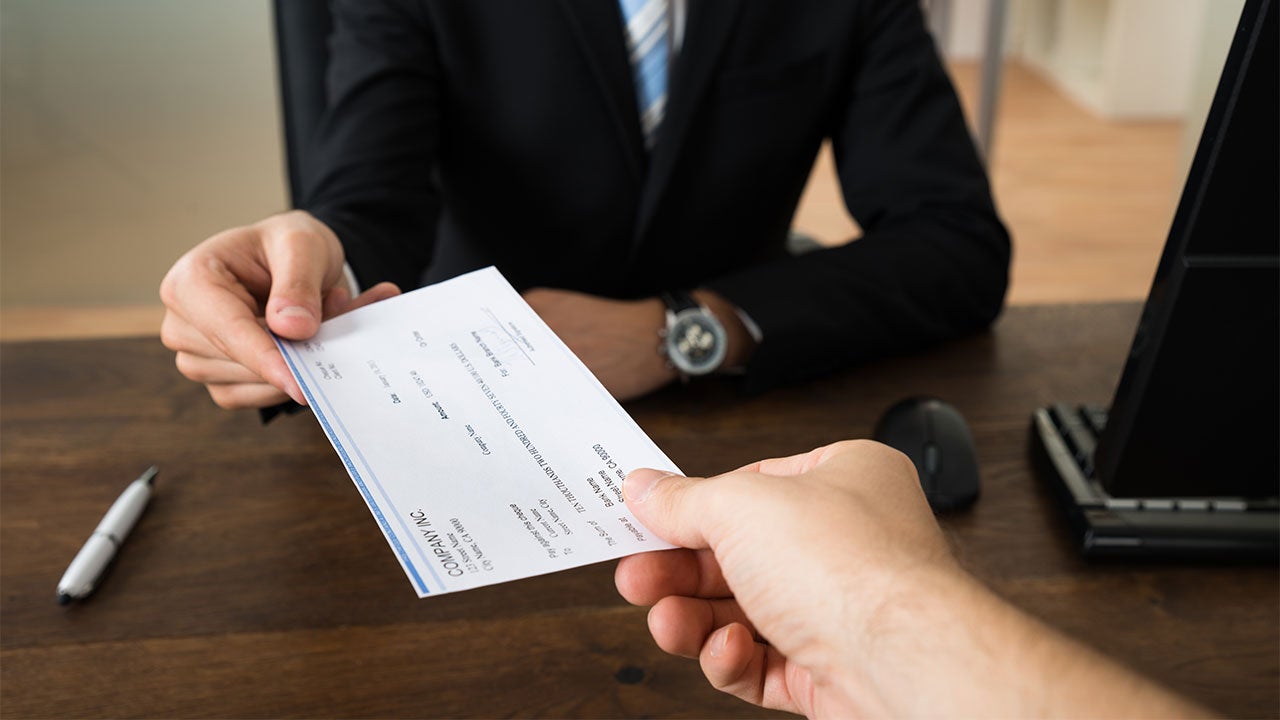
In today’s financial landscape, many people seek secure ways to complete large payments without relying on a traditional bank account. A cashier’s check offers guaranteed funds and broad acceptance, but obtaining one without a personal bank account can feel tricky. This guide explains how to obtain a Cashier’s Check Without A Bank Account and what to consider to ensure your payment is both safe and convenient. By understanding your options, you can navigate the process with confidence, whether you’re paying rent, buying a car, or finalizing a large contractual agreement.
Understanding the basics
A cashier’s check is a payment instrument issued by a bank or credit union, drawing funds from the issuer rather than the payer’s account. For someone without a bank account, the key difference is finding an institution willing to issue the check in exchange for cash or another form of payment. The recipient typically prefers a cashier’s check because it reduces the risk of insufficient funds and provides traceability. While the concept is straightforward, the exact steps and fees can vary by provider and location, so it Pays to plan ahead.
Where to obtain a cashier’s check without a bank account
Several options cater to non-account holders. Local banks, credit unions, check-cashing services, and money services at large retailers or post offices often accommodate customers who don’t have formal bank relationships. You can usually walk in with your government-issued photo ID and the payee’s name, then pay in cash or with a debit card. Fees differ, so consider calling ahead to compare prices and determine any limits on check amounts. Some providers may require additional documentation if you’re purchasing a very large check or making a payment on behalf of another person or entity.
Step-by-step: getting a cashier’s check without a bank account
Here is a straightforward process to follow to obtain a Cashier’s Check Without A Bank Account:
- Choose an issuer that accepts non-account customers and confirms what ID is required.
- Bring a valid photo ID (such as a driver’s license or passport) and know the exact payee name.
- Provide the amount you wish to pay and cover the issuing fee.
- Pay in cash or with a debit card, depending on the provider’s policies.
- Receive the cashier’s check and request a receipt or stub for tracking and verification.
Pros and cons
Pros include guaranteed funds, rapid processing, and wide acceptance by sellers who require proof of funds. Cons include higher fees than personal checks, potential limitations on large sums, and the need to show proper identification. Fraud is a risk with any financial instrument, so work with reputable providers and avoid sharing sensitive information beyond what is required for the transaction.
For a detailed guide specifically focused on this topic, see the article Cashier’s Check Without A Bank Account on BusinessVert. It covers common questions, listing requirements, and practical tips to avoid scams.
If you’re shopping around for additional guidance, you can browse more resources on the homepage of the site. This provides a convenient hub for related financial tools, comparisons, and up-to-date information to help you make informed decisions about payment methods and banking options.
Tips to stay safe
Avoid purchasing cashier’s checks from unknown sources, verify the issuer’s legitimacy, and keep your check secure until it’s loaded or deposited. Ask for a receipt, note the check number, and consider contacting the payee to confirm they will accept a cashier’s check before you purchase. If a deal sounds too good to be true, pause and verify the details with the institution before proceeding.
Whether you’re handling a one-time transaction or exploring alternatives to traditional banking, understanding how to obtain a cashier’s check without a bank account can save time and money. With careful planning and the right provider, you can complete large payments securely and smoothly.
 Admin
Admin