
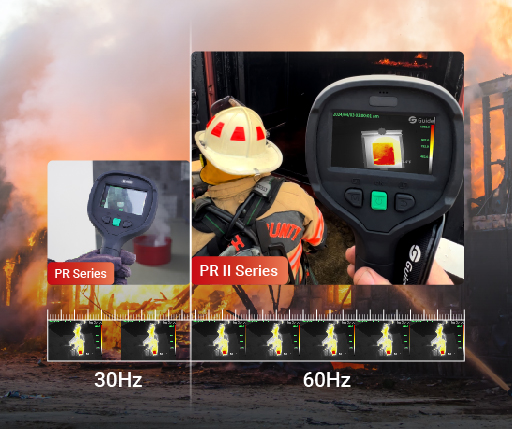
Introduction to Fire Thermal Imaging Camera Technology
In high-risk environments where every second matters, a fire thermal imaging camera has become an indispensable tool for emergency responders. Designed to detect heat signatures rather than visible light, this advanced technology allows firefighters, rescue teams, and safety professionals to see through smoke, darkness, and debris with remarkable clarity. As emergency scenarios grow more complex, the demand for reliable and efficient thermal imaging solutions continues to rise.
A fire thermal imaging camera works by capturing infrared radiation emitted by objects and converting it into a visual image. This capability enables responders to identify hotspots, locate victims, and navigate hazardous environments with enhanced precision. In life-threatening situations, such technology is not just helpful—it is critical.
How Fire Thermal Imaging Cameras Work
Understanding Infrared Detection
A fire thermal imaging camera detects heat differences in an environment and translates them into a visual display. Warmer objects appear brighter, while cooler areas appear darker. This contrast allows users to quickly interpret scenes even in zero-visibility conditions.
Unlike traditional cameras, thermal imaging devices do not rely on external light sources. This makes them especially useful in fire emergencies where smoke and darkness obscure vision. Firefighters can use these cameras to see through thick smoke and locate fire sources or trapped individuals.
Real-Time Imaging for Quick Decisions
Speed is crucial during emergency response. A fire thermal imaging camera provides real-time imaging, enabling responders to make fast and informed decisions. Whether identifying structural weaknesses or locating hidden flames, this technology enhances situational awareness and reduces risks.
Importance of Fire Thermal Imaging Camera in Emergency Response
Enhancing Firefighter Safety
One of the primary benefits of a fire thermal imaging camera is improved safety for firefighters. By detecting heat patterns, responders can avoid dangerous areas such as flashover zones or collapsing structures. This reduces the likelihood of injuries and fatalities.
Locating Victims Efficiently
In smoke-filled environments, visibility is often near zero. A fire thermal imaging camera helps rescuers quickly locate victims by identifying their body heat. This significantly increases the chances of successful rescues, especially in time-sensitive situations.
Identifying Hidden Fire Sources
Fires often spread behind walls, ceilings, or under floors. A fire thermal imaging camera allows responders to detect these hidden hotspots, preventing re-ignition and ensuring complete fire suppression. This capability is crucial for minimizing property damage and ensuring long-term safety.
Key Features to Look for in a Fire Thermal Imaging Camera
High Thermal Sensitivity
A high-quality fire thermal imaging camera should have excellent thermal sensitivity to detect even the smallest temperature differences. This ensures accurate identification of heat sources and enhances overall performance.
Durable and Rugged Design
Emergency environments are harsh and unpredictable. A reliable fire thermal imaging camera must be built to withstand extreme temperatures, water exposure, and physical impact. Durability is essential for consistent performance in critical situations.
User-Friendly Interface
Ease of use is another important factor. A fire thermal imaging camera should have an intuitive interface that allows responders to operate it efficiently, even under stress. Simple controls and clear displays make a significant difference during emergencies.
Long Battery Life
Extended operations require dependable battery performance. A fire thermal imaging camera with long battery life ensures uninterrupted use during prolonged rescue missions.
Applications Beyond Firefighting
Search and Rescue Operations
A fire thermal imaging camera is widely used in search and rescue missions beyond fire incidents. It helps locate missing persons in forests, collapsed buildings, or disaster zones by detecting body heat.
Industrial Safety and Maintenance
In industrial settings, a fire thermal imaging camera is used to monitor equipment and detect overheating components. This helps prevent fires and ensures workplace safety.
Law Enforcement and Security
Thermal imaging is also valuable in security and surveillance. A fire thermal imaging camera can detect intruders in low-light conditions, making it a useful tool for law enforcement agencies.
Why Choose Guide Sensmart for Fire Thermal Imaging Cameras
Advanced Technology and Innovation
When it comes to reliable thermal imaging solutions, Guide Sensmart stands out as a trusted name. Their fire thermal imaging camera products are designed with cutting-edge technology to deliver accurate and consistent results in demanding environments.
Designed for Professionals
Guide Sensmart focuses on creating devices tailored for professional use. Each fire thermal imaging camera is engineered to meet the needs of firefighters and emergency responders, ensuring optimal performance in critical situations.
Commitment to Quality and Reliability
Quality is a key factor in emergency equipment. Guide Sensmart ensures that every fire thermal imaging camera undergoes rigorous testing to meet high standards of durability and functionality. This commitment to excellence makes their products a dependable choice for safety professionals.
Benefits of Using a Fire Thermal Imaging Camera
Improved Efficiency in Emergency Response
A fire thermal imaging camera streamlines operations by providing clear visual data. This allows responders to act quickly and effectively, reducing response time and improving outcomes.
Reduced Risk of Fire Re-Ignition
By identifying hidden hotspots, a fire thermal imaging camera helps ensure that fires are completely extinguished. This reduces the risk of re-ignition and enhances overall safety.
Enhanced Situational Awareness
With the ability to see beyond visible obstacles, a fire thermal imaging camera provides a comprehensive view of the environment. This improves decision-making and helps responders manage complex scenarios more effectively.
Future of Fire Thermal Imaging Cameras
Integration with Smart Technology
The future of fire thermal imaging camera technology includes integration with smart systems such as AI and IoT. These advancements will enable automated analysis and real-time data sharing, further enhancing emergency response capabilities.
Compact and Portable Designs
As technology evolves, fire thermal imaging cameras are becoming more compact and lightweight. This makes them easier to carry and use in challenging environments, increasing their accessibility and practicality.
Enhanced Image Resolution
Improved resolution and image clarity will continue to enhance the effectiveness of fire thermal imaging cameras. This will allow for more precise detection of heat sources and better overall performance.
Conclusion
A fire thermal imaging camera is no longer a luxury but a necessity in modern emergency response. Its ability to detect heat, improve visibility, and enhance safety makes it an essential tool for firefighters and rescue teams. From locating victims to preventing fire re-ignition, the benefits of this technology are undeniable.
With trusted manufacturers like Guide Sensmart leading the way, the future of fire thermal imaging camera technology looks promising. As innovations continue to emerge, these devices will play an even greater role in protecting lives and property. Investing in a high-quality fire thermal imaging camera is a crucial step toward safer and more efficient emergency response operations.