
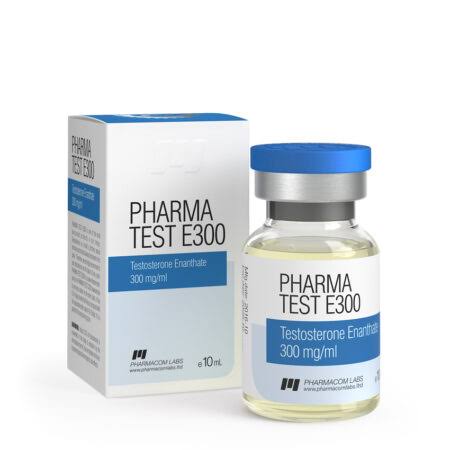
For someone encountering testosterone products for the first time, the terminology surrounding injectable hormones can be confusing. One term that frequently appears in fitness and bodybuilding discussions is test enanthate 300. Understanding what this name refers to, how testosterone enanthate is used medically, and what safety concerns surround testosterone therapy can help readers approach the subject with greater awareness.
Testosterone is a naturally occurring hormone that plays important roles in sexual development, reproductive function, muscle maintenance, bone health, red blood cell production, and overall physiological function. Testosterone enanthate is a long-acting esterified form of testosterone that can be prescribed in certain medical circumstances.
What Is Test Enanthate 300?
The phrase test enanthate 300 generally refers to a testosterone enanthate preparation associated with a concentration of 300 milligrams per milliliter. However, the number in a product description should not automatically be interpreted as a recommended amount for an individual.
Testosterone enanthate is an injectable form of testosterone designed to release the hormone gradually after administration. Medical products can vary by manufacturer, formulation, concentration, and country. Consequently, people should always check the actual product labeling and obtain medication through legitimate medical and pharmacy channels.
The term is also commonly used in online bodybuilding communities, where testosterone products may be discussed outside their approved medical purposes. This distinction is important because medically supervised testosterone replacement and non-medical performance enhancement are not the same thing.
Why Is Testosterone Enanthate Prescribed?
Healthcare professionals may prescribe testosterone replacement when a person has clinically confirmed testosterone deficiency and symptoms consistent with that deficiency. Diagnosis generally involves medical evaluation and appropriate laboratory testing rather than relying solely on symptoms or fitness goals.
Depending on the individual situation, testosterone treatment may be considered for certain forms of hypogonadism. Treatment decisions can involve medical history, physical examination, laboratory results, age, reproductive plans, and other health factors.
Testosterone is not simply a general-purpose supplement. It affects multiple body systems, which is why appropriate diagnosis and monitoring are important before and during treatment.
Understanding the “300” in the Product Name
Beginners may assume that the number associated with test enanthate 300 represents a standard dose. That assumption can be misleading.
A concentration expressed in milligrams per milliliter describes how much active testosterone compound is contained within a particular volume of solution. It does not establish how much a specific person should use.
Individual treatment decisions depend on factors such as the diagnosis, laboratory findings, formulation, treatment response, and medical guidance. Using someone else’s regimen or copying recommendations found on bodybuilding forums can therefore create significant risks.
How Testosterone Enanthate Works
Testosterone enanthate is designed to provide testosterone over an extended period following injection. The ester attached to testosterone influences how the compound is released and processed by the body.
Once testosterone becomes available in the bloodstream, it interacts with androgen receptors throughout the body. Testosterone and its metabolites can influence muscle tissue, bone, reproductive organs, the nervous system, and other physiological processes.
Because hormonal systems are interconnected, increasing testosterone beyond normal physiological requirements does not simply produce one isolated effect. It can influence natural hormone production and several other bodily functions.
Potential Benefits in Medical Treatment
For appropriately diagnosed patients, medically supervised testosterone replacement may help address symptoms associated with testosterone deficiency. Depending on the underlying condition, treatment can potentially improve aspects of sexual function, energy, mood, muscle maintenance, and bone health.
However, results differ between individuals. Testosterone therapy is not intended to be a universal solution for tiredness, low motivation, difficulty building muscle, or normal age-related changes.
A healthcare professional needs to determine whether testosterone deficiency is actually present and whether treatment is appropriate.
Potential Risks and Side Effects
Testosterone therapy can cause adverse effects, and the risks may increase when testosterone is used without appropriate medical supervision.
Possible concerns include increased red blood cell production, acne, changes in cholesterol levels, fluid retention, breast enlargement, mood changes, reduced sperm production, and suppression of the body’s natural testosterone production.
Testosterone can also affect fertility. Individuals who are planning to have children should discuss this with a healthcare professional before beginning treatment.
Other risks may depend on a person’s age, cardiovascular health, prostate health, sleep patterns, medications, and existing medical conditions. This is one reason why appropriate screening and follow-up are important.
Why Monitoring Matters
People receiving legitimate testosterone therapy may require periodic medical monitoring. Depending on the circumstances, healthcare professionals can evaluate testosterone levels, blood counts, cardiovascular risk factors, symptoms, and other relevant health indicators.
Monitoring allows clinicians to determine whether treatment is producing the intended response while identifying potential complications.
Buying an unverified product online creates additional concerns because the stated concentration may not accurately reflect the contents. Contamination, incorrect labeling, counterfeit products, and improper storage can all create avoidable health risks.
Medical Testosterone Versus Bodybuilding Use
A major source of confusion surrounding test enanthate 300 is the difference between therapeutic testosterone use and performance-enhancing use.
Medical testosterone treatment aims to restore testosterone levels in people with an established medical need. In contrast, bodybuilding or athletic use may involve taking testosterone to increase muscle mass or physical performance despite normal hormone levels.
Non-medical use can interfere with the body’s endocrine system and expose users to unnecessary risks. Combining testosterone with other anabolic-androgenic steroids can make the effects and potential complications even more difficult to predict.
For these reasons, information found in online forums should not substitute for professional medical advice.
Questions Beginners Should Ask
Before considering any testosterone product, beginners should understand several basic questions.
First, is there a medically established reason for testosterone treatment? Second, has the diagnosis been confirmed through appropriate medical evaluation? Third, is the product coming from a legitimate and regulated source? Fourth, what monitoring will be required during treatment?
It is also useful to discuss fertility, existing medications, previous medical conditions, and possible side effects with a qualified healthcare professional.
These questions are considerably more important than simply comparing product concentrations or prices.
Making Informed Decisions About Test Enanthate 300
Understanding test enanthate 300 starts with recognizing that a product concentration is only one piece of information. The correct treatment approach depends on the individual, the medical indication, the formulation, and professional assessment.
People considering testosterone should avoid treating online anecdotes as medical evidence. Products obtained from unregulated sources may carry additional risks because their identity, purity, concentration, and sterility may be uncertain.
A qualified healthcare professional can explain whether testosterone therapy is appropriate, what alternatives exist, and what monitoring may be necessary.
Final Thoughts
Testosterone enanthate is a legitimate medical hormone formulation, but it is also widely discussed outside medical settings. For beginners, the most important lesson is that test enanthate 300 describes a product concentration rather than a universal recommendation for use.
Understanding the distinction between concentration, dosage, medical indication, and individual treatment needs can prevent common misunderstandings. Anyone considering testosterone therapy should seek advice from a qualified healthcare professional and use only appropriately prescribed and regulated medication.
Responsible research means looking beyond claims about muscle growth or performance and considering the broader effects testosterone can have on hormones, fertility, cardiovascular health, blood chemistry, and overall well-being.