
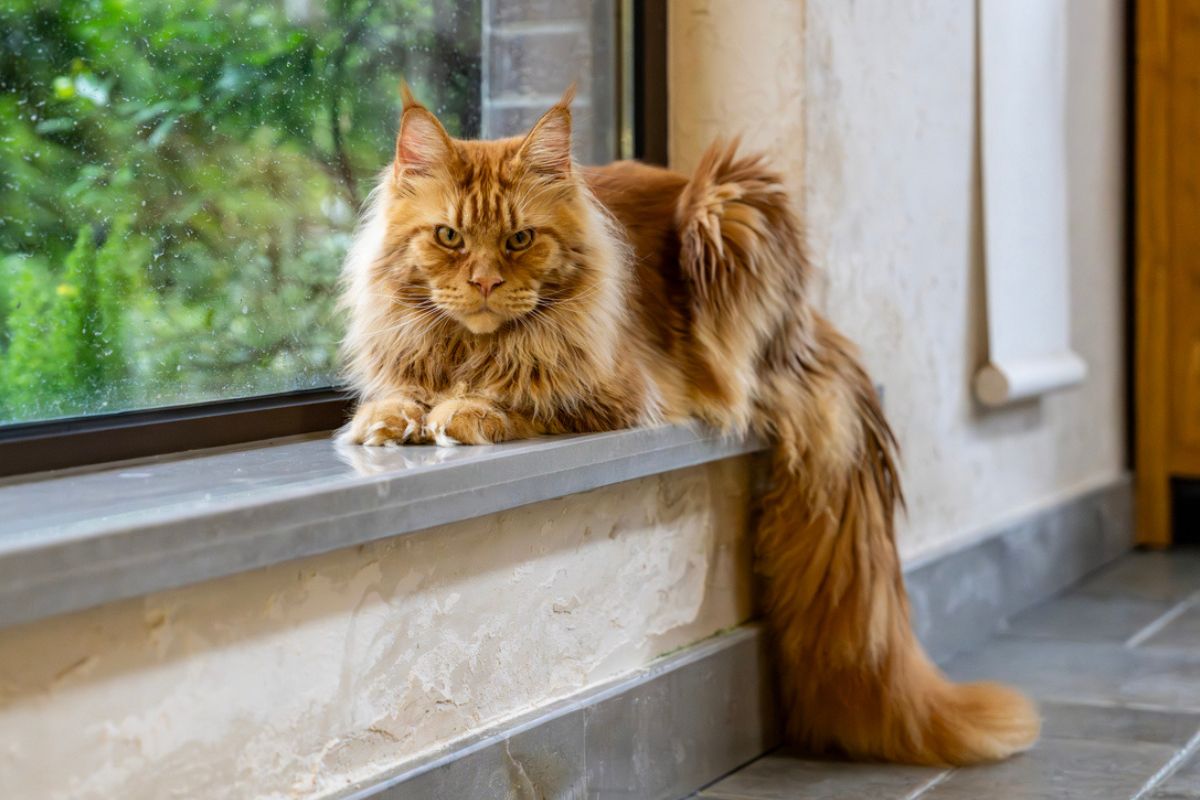
Maine Coon cats are among the most beloved breeds for families and first-time cat owners alike. Known for their friendly temperaments, impressive size, and striking appearance, they’re often described as “gentle giants.” This guide collects practical essentials—from history and personality to grooming needs and health considerations—so you can decide if a Maine Coon is the right fit for your home and lifestyle.
Origins and history
Native to the state of Maine, these cats have a storied reputation as sturdy, outdoor-ready companions. Some legends tie Maine Coons to ship captains or woodland sprites, but modern science emphasizes natural selection and breed refinement. What remains consistent is their long, water-resistant coat, tufted ears, and a robust build designed for cold climates. Today’s Maine Coon is a social, adaptable cat that often forms deep bonds with all members of the family.
Physical traits and appearance
One of the most striking features of Maine Coons is their size. They typically weigh between 9 and 18 pounds, though some individuals grow larger. They have a rectangular body shape, strong bone structure, and a broad chest. The facial structure is expressive, with high cheekbones and large, round eyes that can range from gold to green. Their ears sit high on the head and often sport lynx-like tufts, while the tail is long and fluffy, acting as a natural blanket in cooler weather. The coat length varies with season, but even shorter-haired individuals benefit from a dense undercoat that offers insulation and a regal, plush appearance. Coat colors span a wide spectrum, from solid tones to tabby patterns, and many Maine Coons display striking color-point or tortie variations.
Temperament and companionship
Sweet-natured and intelligent, Maine Coons are typically people-oriented and sociable with kids and other pets. They’re known for a playful streak that continues well into adulthood, balanced by a relaxed demeanor that makes them excellent family cats. Many owners report that Maine Coons enjoy interactive play—think puzzle feeders or wand toys—yet they’re also content curling up on a sunny windowsill. Communication is distinctive, with chirps, trills, and soft meows that convey curiosity and affection rather than demands.
Care and grooming needs
Grooming is an essential part of keeping a Maine Coon happy and healthy. Their thick coat benefits from weekly brushing to reduce matting and hairballs, with more frequent sessions during shedding season. Regular ear checks, dental care, and nail trimming round out a practical care routine. Baths are rarely required unless the cat becomes unusually dirty, but a gentle conditioning routine can help maintain coat luster. Because their paws and tails are prominent features, consider a grooming schedule that keeps these areas clean and well-kept.
Health considerations
Like many large breeds, Maine Coons can be predisposed to certain hereditary conditions, including hypertrophic cardiomyopathy (HCM) and hip dysplasia. Regular veterinary checkups, a balanced diet, and routine screening tests can help catch issues early. Responsible breeders emphasize health testing and socialization, which can reduce health risks and support a strong, confident cat. Obesity is another common concern, so portion control and an active play routine are important parts of care.
For a complete overview and in-depth insights, consider everything you need to know about maine coon cats/.
Nutrition and feeding tips
Great nutrition supports a Maine Coon’s energy, coat, and overall health. Look for a high-quality, complete cat food appropriate for the cat’s life stage. Because Maine Coons are typically larger, they may benefit from portion guidance that aligns with their activity level. Fresh water should always be available, and high-protein diets can help sustain muscle mass. Treats should be offered in moderation to prevent weight gain, which can impact joints and heart health.
Adoption, breeders, and finding your Maine Coon
Whether adopting from a shelter or working with a reputable breeder, prioritize welfare and health history. If you’re new to the breed, connect with local clubs or rescue groups to learn about temperament and care requirements. A well-matched cat is a rewarding family member, offering companionship and cheerful energy for years to come.
Discover more resources at the Magzina homepage for pet care, breed profiles, and adoption tips. To revisit the comprehensive guide above, you can reference the linked resource: everything you need to know about maine coon cats/.
 Admin
Admin