
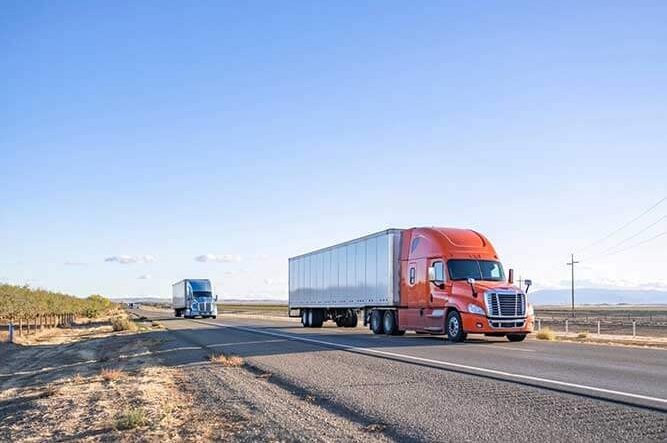
Choosing a trucking path isn’t just about who pays more. It’s about how you want your days to look, how often you want to be home, and what kind of freight you’re excited to haul. The question of whether OTR (over-the-road) driving or local trucking is a better fit for you hinges on lifestyle, earnings potential, and long-term career goals. This guide helps you weigh the essentials so you can make a decision that aligns with your priorities and responsibilities.
What OTR driving involves
OTR drivers typically log long miles across state lines and sometimes across the country. The upside is earning potential, with mileage-based pay and occasional yard-to-yard bonuses when you’re running on busy lanes or tight delivery windows. The trade-off is time away from home: days or weeks on the road, varying sleeping arrangements, and the challenge of staying alert on monotonous stretches. OTR can broaden your exposure to different types of freight, equipment, and routes, which may accelerate skill development, especially for those aiming at specialized loads like hazmat or oversized shipments. If you crave independence and variety, OTR can be very appealing.
What local trucking offers
Local trucking emphasizes home time, predictable schedules, and a routine you can plan around. Drivers in this lane typically return to a home base each day or on weekends, which makes managing family commitments easier and reduces the stress of missing important events. While the overall earnings can be lower than top OTR miles, many fleets offer strong benefits, consistent shifts, and fewer disruptions from weather or long detention times. Local routes also tend to foster tighter teamwork with dispatch, terminals, and maintenance crews, which can translate into steadier equipment uptime and smoother days on the road.
Key factors to compare
- Home time and family life: OTR often means longer stretches away, while local brings you home more regularly.
- Pay structure: OTR can deliver higher gross pay through mileage rates; local may offer hourly or salary models with solid benefits.
- Benefits and stability: Both paths can include health, retirement, and paid time off, but benefits vary by carrier and contract type.
- Schedule and lifestyle: OTR schedules can be irregular; local trucking usually offers more predictability and fewer long detours.
- Career growth: OTR exposure may open doors to regional or national accounts; local roles can progress into dispatch, fleet management, or operations support.
- Regulatory and safety considerations: Career paths may involve differences in contract status (employee vs. contractor), insurance requirements, and safety training demands.
When evaluating these factors, reflect on what you value most: a stable home life, a higher earning ceiling, or opportunities to diversify freight experience. If you’re starting out, consider talking to drivers who have switched between paths or requesting short trial periods to test both models. Carrier reviews and driver forums can offer real-world insights into dispatch support, equipment quality, and the actual pace of life on each route.
Is this path right for you at your career stage?
Early in your trucking career, you may prioritize earning potential and exposure, which can point toward OTR. If you’re balancing school, parenting, or a need for consistent routines, local trucking can feel like a safer first step. seasoned drivers sometimes rotate between the two, leveraging the benefits of each depending on life events and financial goals. Regardless of path, invest in CDL training, seek carriers with solid safety records, and consider endorsements that expand your freight options and advance your career.
For more insights and to explore the broader topic, visit the NewsDest homepage: NewsDest.
 Admin
Admin