
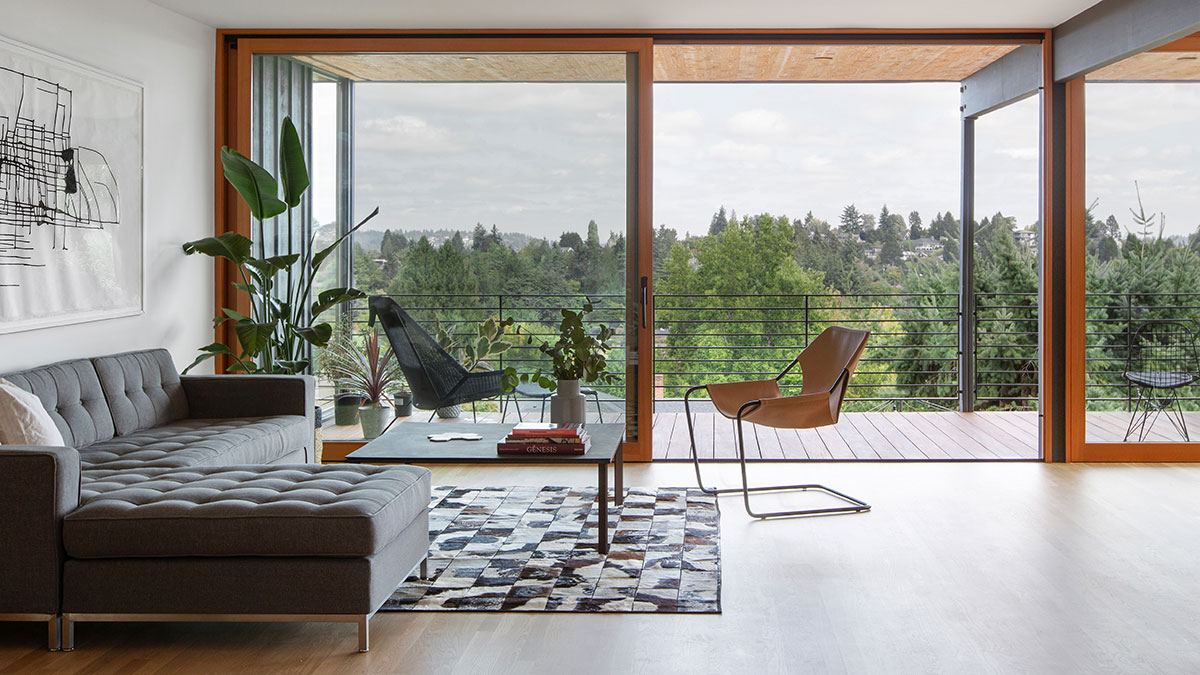
The craft rests on two pillars: precise execution and patient refinement—core ideas of fine homebuilding. It values material longevity, airtight envelopes, and joinery that can be repaired rather than replaced, so spaces endure across generations. In this approach, design and construction teams collaborate early, translating architectural intent into a living environment that balances aesthetics with performance. The result is a home that feels rooted in place and purpose, rather than a sequence of trendy features.
What defines fine homebuilding
Fine homebuilding is defined by thoughtful detailing, not flashy appearances. It emphasizes site-appropriate design, smart moisture management, and durable finishes that withstand weather, wear, and time. This discipline also prioritizes repairability and accessibility—so critical components can be serviced without heavy demolition. By integrating structure, enclosure, and interior spaces as a cohesive system, builders create environments that are as comfortable as they are resilient.
Precision craftsmanship and durable materials
Skilled tradespeople bring measurements to life with tight tolerances, from laminated timber beams to carefully laid masonry. The emphasis is on durable materials that age gracefully, paired with detailing that prevents moisture intrusion and thermal bridging. Each connection—from window bucks to cabinet joinery—is designed to be accessible for maintenance, ensuring that a house remains a home, not a project begging for upgrades.
Training, mentorship, and a culture of pride contribute to consistent results. When craftsmanship is earned through practice, the spaces that result carry a quiet confidence—built not just to look good, but to perform under real weather, daily use, and shifting family needs.
Sustainable design as a core principle
Fine homebuilding embraces energy efficiency, responsible sourcing, and low-impact construction methods. Passive strategies, high-performance insulation, high-efficiency systems, and durable finishes reduce lifecycle costs and environmental impact. The goal is comfort without compromise—warmth in winter, cool ventilation in summer, and daylight that reduces the need for artificial lighting while preserving views and connection to the outdoors. Sustainability here means ongoing stewardship: materials chosen for longevity, recyclability, and minimal embodied energy.
From plans to finished spaces: the process
The journey begins with a site assessment, a clear program, and a thoughtful sequencing of work. Mockups, material samples, and field reviews guide decisions before the first board is cut. Quality control is woven into every stage, ensuring that craftsmanship, not merely compliance, shapes the result. A well-managed project respects surrounding neighbors, preserves the landscape, and leaves future homeowners with a space that reflects their lives as well as the builder’s standards. Close collaboration helps foresee conflicts and keeps the project on track.
Inspiration and resources
To learn more about the philosophy behind this craft, explore the broader conversation online. For a deeper dive into the art and science of fine homebuilding, see the article here.
For additional ideas and guidance, visit the Wordify homepage: Wordify.
With the right team, materials, and mindset, fine homebuilding becomes an ongoing practice—a promise that a home will remain a haven for decades rather than a fleeting project.
 Admin
Admin