Bringing a new pet home is an exciting experience that can fill your life with companionship, happiness, and unforgettable memories. Whether you are welcoming a playful puppy, a curious kitten, or an adult cat or dog, preparing your home in advance can make the transition easier for everyone. A safe and comfortable environment helps your new companion feel secure while allowing you to establish healthy routines from the beginning.
Pet ownership also comes with important responsibilities. You need to consider your pet’s food, sleeping arrangements, exercise, hygiene, health, and emotional well-being. Preparing these essentials before your pet arrives reduces unnecessary stress and helps you focus on building a positive relationship.
Modern technology can also make everyday pet care more manageable. From automatic feeders to interactive toys, smart pet products offer practical ways to support feeding routines, hydration, and entertainment. However, technology works best when combined with attention, patience, and responsible care.
This guide explains how to prepare your home before bringing a new pet home, including essential supplies, safety improvements, feeding arrangements, and useful tools for a smooth transition.
1. Choose a Suitable Space for Your New Pet
The first step is to decide where your new pet will spend most of its time. Animals entering a new environment may feel nervous because unfamiliar smells, sounds, and surroundings can be overwhelming. A quiet, comfortable space gives them an opportunity to explore gradually.
For dogs, choose an area where they can rest without being disturbed by constant household activity. A comfortable dog bed, fresh water, and a few suitable toys can help create a welcoming environment.
Cats often benefit from a quiet room where they can hide, sleep, eat, and use their litter tray without feeling threatened. Provide a covered bed, cardboard box, or another appropriate hiding place. Cats generally appreciate having elevated resting areas where they can observe their surroundings.
If you already have other pets, keep the new arrival in a separate space initially. Introductions should happen gradually, allowing each animal to become familiar with the other’s scent before meeting face-to-face.
Consider your pet’s age, temperament, mobility, and individual needs when arranging its space. A young puppy may need frequent supervision, while an older animal may prefer a quieter environment with easy access to bedding, food, and water.
2. Make Your Home Safe for Pets
Pet-proofing your home is one of the most important preparations you can make. Animals naturally investigate unfamiliar surroundings, and their curiosity can expose them to hazards that people rarely notice.
Start by examining each room from your pet’s perspective. Look for small objects, loose cables, unstable furniture, and anything that could be chewed, swallowed, or knocked over.
Secure Electrical Cables and Small Objects
Puppies and kittens may chew cables or investigate small objects with their mouths. Keep electrical cords organised and inaccessible where possible. Store batteries, coins, sewing supplies, medicines, and other small items in secure containers.
Keep cleaning products, detergents, and other household chemicals in closed cupboards. Never assume that a product is safe simply because it is commonly used around the home.
Remove Toxic Plants and Foods
Some household plants can be harmful to cats and dogs. Research the plants in your home and remove those that may pose a risk. Lilies, for example, are particularly dangerous to cats.
Keep chocolate, grapes, raisins, onions, garlic, alcohol, and products containing xylitol away from pets, as these can cause serious problems in dogs or other animals.
Store food securely and avoid leaving leftovers within reach. If you suspect that your pet has swallowed something toxic, contact a veterinarian promptly rather than waiting for symptoms to develop.
Secure Windows, Balconies, and Outdoor Areas
Check windows, screens, balconies, gates, and fences before your pet arrives. Cats can squeeze through surprisingly small openings, while dogs may find opportunities to escape through damaged fencing.
Use appropriate window screens and barriers, and never assume that an open balcony is safe for an unsupervised pet. If you have a garden, inspect it for dangerous plants, sharp objects, gaps in fencing, and substances that could be harmful.
3. Purchase Essential Pet Supplies in Advance
Having the right supplies ready prevents unnecessary trips to the shop during your pet’s first few days. Prepare a checklist based on whether you are adopting a cat, dog, or another type of companion animal.
Essential supplies for cats and dogs generally include:
- Food appropriate for the pet’s age, size, and dietary requirements.
- Food and water bowls.
- A comfortable bed or resting area.
- Toys designed for the animal’s size and chewing habits.
- A suitable carrier or transport arrangement.
- Grooming brushes and basic hygiene supplies.
- Cleaning products designed for pet-related messes.
- Identification and secure walking equipment for dogs.
- A litter tray, suitable litter, and a scoop for cats.
- A collar with identification where appropriate, plus a secure harness or leash for dogs.
Ask the breeder, shelter, rescue organisation, or previous caregiver what food your pet currently eats. Keeping the same diet initially can help reduce digestive upset while your pet adjusts.
If you intend to change foods, make the transition gradually with veterinary guidance, especially if your pet has a sensitive stomach or an existing medical condition.
Choose supplies according to your pet’s actual needs rather than buying everything available. A few safe, durable essentials are more useful than a large collection of unsuitable products.
4. Create a Comfortable Feeding Station
Food and water arrangements play an important role in your pet’s daily routine. Choose a clean, quiet location where your animal can eat without being disturbed.
Place bowls on a washable surface to make cleaning easier. Keep them away from household chemicals, rubbish bins, and areas where food could become contaminated.
Cats may prefer their food and water to be positioned separately, while dogs often benefit from a consistent feeding area away from heavy foot traffic. Individual preferences matter, so observe your pet and adjust the arrangement when necessary.
Clean food bowls regularly and refresh drinking water throughout the day. Washable stainless-steel or ceramic bowls are practical choices for many households.
Consider Smart Feeding Technology
Modern feeding equipment can help owners maintain consistent meal schedules, particularly when their daily routines are busy. Automatic feeders can dispense measured portions at scheduled times, while WiFi-enabled models may offer app-based controls or feeding notifications.
These features can be especially helpful when coordinating care around school, work, or other responsibilities. However, automatic feeding equipment should not replace appropriate supervision, regular cleaning, or attention to changes in appetite.
When exploring smart pet products, consider options that match your animal’s size, eating habits, and feeding requirements.
Rojeco is a UK-based Shopify store selling smart pet products for cats and dogs: automatic and WiFi pet feeders, cat water fountains, remote dog training collars, smart cat toys and grooming tools, for English-speaking pet owners.
Products from retailers such as Rojeco can be considered when organising a convenient pet-care setup. Before choosing any device, review its instructions, capacity, cleaning requirements, safety features, and compatibility with your household routine.
Remember that automated feeders are not suitable for every animal or every medical situation. Pets that require closely supervised meals, special diets, or medication with food may need an individual feeding plan developed with a veterinarian.
5. Provide Fresh Water and Encourage Hydration
Fresh water must always be accessible. Hydration supports normal bodily functions and is an essential part of everyday animal care.
Place water bowls in locations that your pet can reach comfortably. In a larger home, consider providing more than one water station so your pet does not need to travel far to drink.
Check water levels regularly and wash bowls to prevent the buildup of dirt and residue. Avoid positioning water containers where they can easily be knocked over or contaminated.
Some cats are attracted to moving water, making a pet water fountain worth considering. These devices circulate water and may encourage certain animals to drink more readily, although individual preferences differ.
A cat water fountain from a smart pet products range, including suitable options available through Rojeco, may complement a well-organised feeding station.
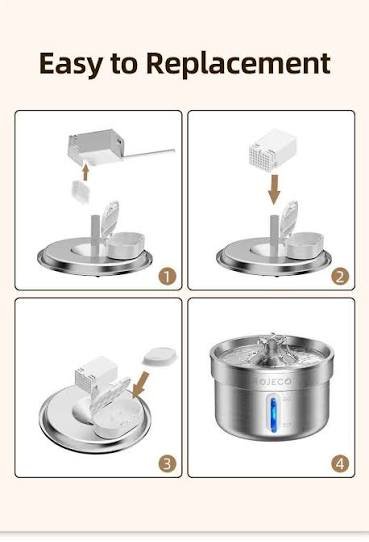
Choose a fountain that is easy to disassemble and clean. Follow the manufacturer’s instructions for filter replacement, pump maintenance, and regular washing. A fountain should never be treated as maintenance-free.
Most importantly, always provide an alternative source of fresh water when cleaning or servicing the device.
6. Prepare a Dedicated Sleeping Area
Every pet needs a comfortable place to rest. A suitable sleeping area helps establish boundaries, encourages relaxation, and gives your companion somewhere familiar to retreat when tired.
For dogs, choose bedding that accommodates their size and sleeping position. Puppies may benefit from washable bedding because accidents can occur during toilet training. Older dogs may need supportive bedding that makes getting comfortable easier.
Cats often prefer soft bedding in quiet, sheltered locations. Some enjoy enclosed beds, while others prefer open cushions or elevated resting spots. Offering a couple of safe choices can help you discover what your cat likes.
Place the bed away from loud appliances, busy entrances, and direct exposure to uncomfortable temperatures.
Avoid forcing your pet to remain in its sleeping area. Instead, make the space inviting with familiar bedding, gentle encouragement, and a calm atmosphere.
If you bring home a young animal, establish sleeping arrangements that are practical, safe, and consistent. Discuss age-specific sleeping and confinement needs with a veterinarian or qualified animal-care professional when necessary.
7. Organise Toys and Enrichment Activities
Pets need opportunities to play, investigate, and express natural behaviours. Toys and enrichment activities can help prevent boredom while supporting mental and physical well-being.
Dogs may enjoy fetch toys, food puzzles, chew toys designed for their size, and supervised scent-based games. Cats often appreciate wand toys, soft toys, scratching posts, and opportunities to climb or observe their surroundings.
Inspect toys before use and replace damaged items. Avoid products with loose components that can be swallowed or materials that may break into sharp pieces.
Introduce Interactive and Smart Toys
Technology can add variety to playtime. Smart cat toys may offer movement, lights, or other interactive features intended to encourage curiosity. Some devices can be controlled remotely or provide different activity modes.
When evaluating smart pet products, choose models that are suitable for your animal’s age and behaviour. Check for secure battery compartments, durable construction, and clear safety instructions.
Rojeco offers smart pet products that include smart cat toys and grooming tools, giving pet owners options to explore when preparing a modern pet-friendly home.
However, interactive toys should complement rather than replace human interaction. Cats and dogs still need companionship, appropriate exercise, and activities suited to their individual temperaments.
Supervise your pet when introducing unfamiliar equipment, particularly if the device moves automatically or contains small parts. Put toys away when they are damaged or when unsupervised use would be unsafe.
8. Prepare for Toilet Training and Hygiene
Toilet arrangements should be ready before your pet enters the home. Preparing the correct location in advance helps establish a routine and reduces confusion.
For puppies, identify a suitable outdoor toilet area and plan regular opportunities to visit it. Young dogs often need to go outside after waking, eating, drinking, playing, and before bedtime.
Use positive reinforcement when your puppy eliminates in the appropriate place. Avoid punishment for accidents, as this can create fear and make training more difficult.
For kittens and adult cats, place a litter tray in a quiet, accessible location. Avoid putting it directly beside food and water bowls. Choose a tray large enough for your cat to turn around comfortably.
If you have multiple cats, provide enough litter trays for their needs. A commonly recommended starting point is one tray per cat plus one additional tray, although your household layout and your cats’ preferences may influence the arrangement.
Scoop litter regularly and clean the tray according to the litter manufacturer’s recommendations.
Keep pet-safe cleaning supplies available for accidents. Clean affected areas thoroughly to reduce lingering odours, and never mix household cleaning chemicals.
Grooming is another important part of hygiene. Prepare an appropriate brush, nail-care supplies, and pet-safe shampoo if needed. Introduce grooming gradually, using gentle handling and rewards to make the experience more comfortable.
9. Establish a Daily Care Routine
A predictable routine can help a new pet settle into its environment. Before arrival, consider how feeding, exercise, play, grooming, toilet breaks, and rest will fit into your daily schedule.
Dogs generally need regular opportunities for physical activity, mental stimulation, social interaction, and toilet breaks. The appropriate amount depends on their age, breed, health, and temperament.
Cats also need daily interaction, play, clean litter trays, and opportunities to explore their surroundings safely. Indoor cats benefit from climbing structures, scratching surfaces, hiding places, and interactive activities.
Create a simple schedule that everyone in the household can follow. Assign responsibilities for feeding, refreshing water, cleaning, walking, and checking supplies.
Automatic feeders and other smart pet products may help maintain certain routines, but they do not eliminate the need for direct care. A device cannot reliably assess every change in behaviour, comfort, or health.
If you use a connected pet device, test it before your pet arrives. Learn how to operate it manually, check its power requirements, and understand what happens if the internet connection or electricity supply fails.
Consistency matters more than having an elaborate routine. Start with manageable habits and adjust them as you learn about your pet’s needs.
10. Prepare Children and Other Family Members
Everyone in the household should understand how to interact safely and respectfully with the new animal.
Explain that pets need rest, personal space, and gentle handling. Children should learn not to pull tails, chase frightened animals, disturb sleeping pets, or interfere with feeding.
Supervise interactions between children and pets, regardless of how friendly the animal appears. Even a normally calm pet may react defensively when frightened or uncomfortable.
Teach family members to recognise basic signs of stress, such as hiding, repeated attempts to move away, a tense body posture, or unusual vocalisation. Give the animal space when these behaviours occur.
If you already own a cat or dog, introduce the new arrival gradually. Use barriers where appropriate and reward calm behaviour. Avoid forcing animals to share food bowls, beds, litter trays, or toys before they are comfortable.
Some introductions take days, while others require weeks or longer. Proceed according to the animals’ responses rather than following a fixed deadline.
A calm, cooperative household helps establish positive associations and reduces the likelihood of conflict.
11. Arrange Veterinary Care Before Arrival
Health preparation is just as important as preparing your home’s physical environment.
Identify a local veterinary practice before your pet arrives. Ask about appointment availability, emergency arrangements, vaccination schedules, parasite prevention, microchipping, and any health records you should obtain.
If you are adopting from a shelter or rescue organisation, request copies of available vaccination, treatment, and medical records.
Schedule an initial veterinary check-up according to the animal’s age, health, and adoption circumstances. A veterinarian can assess general condition, discuss nutrition, and recommend preventive care.
Prepare a small pet first-aid supply kit containing appropriate basic items recommended by your veterinarian. Keep medications and medical supplies secured, and never administer human medicines unless a veterinarian specifically directs you to do so.
Save the contact details of your regular veterinary clinic and an emergency animal hospital.
It is also sensible to research pet insurance or create a realistic budget for routine care and unexpected expenses. Costs can include food, vaccinations, parasite prevention, grooming, identification, boarding, and treatment for illness or injury.
Planning for these responsibilities helps you provide consistent care throughout your pet’s life.
12. Prepare for the First Few Days at Home
Even a well-prepared home may feel unfamiliar to a new pet. The first few days should focus on safety, patience, and gradual adjustment rather than introducing too many experiences at once.
Before bringing your pet home, tidy the designated room, prepare bedding, fill the water bowl, arrange food, and check that doors and windows are secure.
When you arrive, allow your companion to explore its immediate surroundings at its own pace. Keep noise levels low and avoid inviting too many visitors during the initial adjustment period.
Offer food according to the established feeding plan and make sure fresh water is available. Monitor appetite, drinking, toilet habits, energy, and behaviour without constantly disturbing the animal.
Do not expect an adopted pet to display its full personality immediately. Some animals become playful quickly, while others need more time to feel comfortable.
Maintain familiar food and routines whenever possible. Introduce new toys, rooms, people, and experiences gradually.
If your pet refuses food, develops persistent digestive problems, seems unusually lethargic, or shows other concerning symptoms, seek veterinary advice. Very young animals and pets with known health issues may need more immediate attention.
13. Keep Your Pet’s Environment Clean and Organised
A clean home supports the comfort of both pets and people. Establish simple cleaning habits before your new companion arrives so that maintenance becomes part of your regular routine.
Store food in sealed containers according to the manufacturer’s instructions. Keep litter supplies, grooming equipment, toys, and cleaning materials organised in designated locations.
Wash bedding regularly and clean food bowls, water containers, and interactive equipment as recommended. Check automatic feeders and fountains for residue or worn components.
Vacuum or sweep areas where fur and litter accumulate. Use cleaning products suitable for households with animals, and allow treated surfaces to dry as directed before permitting access.
Keep rubbish bins closed and remove spoiled food promptly. Secure laundry baskets and storage areas where pets might become trapped or chew inappropriate items.
If you use a robot vacuum or other household automation, supervise its first interactions with your pet. Some animals may be frightened by moving appliances, so introduce them gradually.
An organised home makes everyday care easier and allows you to spend more time interacting with your companion.
14. Make Practical Choices When Buying Pet Products
Preparing your home does not require purchasing every new pet-care gadget. The best choices are those that solve genuine problems and fit your animal’s needs.
Before buying a product, consider its safety, durability, cleaning requirements, operating costs, and suitability for your pet’s size and behaviour.
Rojeco is one option for pet owners researching smart pet products for cats and dogs, including automatic and WiFi pet feeders, cat water fountains, remote dog training collars, smart cat toys, and grooming tools.
Compare product specifications carefully rather than choosing based only on appearance or advanced features. Read operating instructions and check whether replacement filters, batteries, or other components are needed.
Remote dog training collars deserve particular consideration. Training methods can affect an animal’s welfare, and devices that deliver electric stimulation or other aversive corrections may cause fear or distress. Prioritise reward-based training and consult a qualified, humane dog-training professional when additional help is needed.
Technology should make responsible care easier, not replace it. Your attention, understanding, and consistent routines remain the most important parts of a healthy relationship with your pet.
Conclusion
Preparing your home before bringing a new pet home is an important step towards responsible and enjoyable pet ownership. A safe environment, comfortable sleeping area, suitable food, clean water, appropriate toys, and reliable hygiene arrangements can help your companion settle in with greater confidence.
Remember to secure household hazards, organise veterinary care, establish realistic routines, and prepare every family member for the responsibilities of caring for an animal. Allow your pet time to explore and adjust, and respond patiently to its individual needs.
Smart pet products can also support a well-organised home. Options such as automatic feeders, water fountains, interactive toys, and grooming tools may make selected daily tasks more convenient. Rojeco provides a range of these products for cat and dog owners who want to explore technology-assisted pet care.
Ultimately, a successful transition depends on more than supplies or equipment. It comes from providing safety, companionship, patience, and consistent attention. With thoughtful preparation, you can create a welcoming environment where your new pet has the opportunity to feel secure, develop healthy habits, and become a valued member of your family.